Published on: 29 October 2026
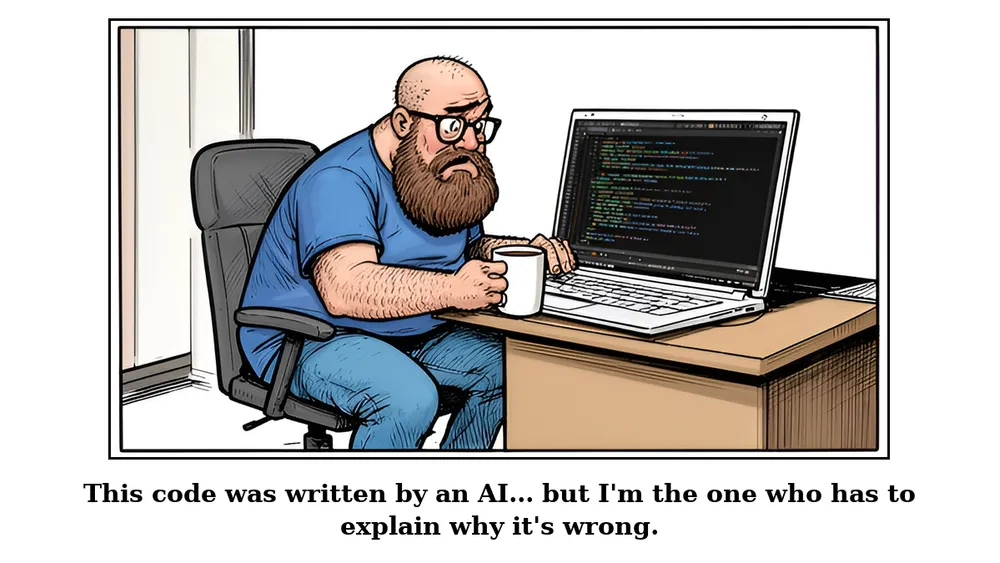
Exploring the shift from coding to leading with AI-generated solutions and the evolution of engineering leadership
The first time I realized my role as a developer had changed, I was staring at a line of code I’d written six months earlier. It was a simple function to calculate user statistics, but it had been rewritten multiple times by an AI tool I’d started using for prototyping. The code worked, but it felt… off. Not broken, but unoptimized, and missing the subtle nuance of a human’s intent. I spent hours reviewing it, identifying edge cases I’d overlooked, and reworking it to align with our team’s architecture. It was a small moment, but it marked the beginning of a profound shift: I wasn’t writing code anymore. I was leading it.
When I transitioned from a solo developer to an engineering leader, the tools I used stayed the same, but the way I used them didn’t. My days were no longer filled with writing lines of code or debugging minor issues. Instead, I found myself mediating between AI-generated solutions and human insight, steering teams toward smarter decisions, and redefining what it meant to be an engineer in this new era. This shift wasn’t just about moving from solo work to management, it was about evolving the very nature of the role itself.
The Shift from Writing Code to Reviewing It
The first major change I noticed was the increasing importance of code review. When AI began generating code at scale, the bottleneck that once slowed down development, writing code, was suddenly replaced by a new bottleneck: validating it. I used to spend hours crafting elegant solutions, but now, I often spend more time reviewing code that others (or AI) wrote. This doesn’t mean writing code is obsolete; it means its role has shifted.
Take, for example, a project where our team used an AI tool to generate a microservices architecture. The tool produced a functional setup, but it lacked the contextual understanding of our existing systems. The code was technically sound, but it didn’t integrate well with our legacy databases. My job wasn’t to rewrite everything but to step through each component, identify the gaps, and guide the team in refining the design.
This role reversal wasn’t just about oversight, it was about bridging the gap between machine-generated outputs and human-centric needs. I started organizing “AI review sprints” where teams would collaboratively evaluate code for usability, maintainability, and alignment with business goals. One of the most critical moments came when we discovered a security vulnerability in an AI-generated API endpoint. The code didn’t flag the issue because it lacked the context of our compliance requirements. By bringing the team together to review and document these edge cases, we turned a potential disaster into a learning opportunity.
The lesson here was simple: AI can write code faster, but humans are still needed to ensure it serves the right purpose. My job became less about writing and more about refining, a shift that required me to develop new skills in communication, systems thinking, and strategic prioritization.
Engineering Managers as Strategic Overseers
As I moved into a leadership role, I realized that managing engineers wasn’t just about assigning tasks or mentoring junior developers. It was about navigating a rapidly changing landscape where AI tools were becoming central to the workflow. My responsibilities evolved from solving technical problems to orchestrating how teams used these tools effectively.
One of the most challenging shifts was redefining what it meant to be an “engineer” in this new context. Ry Walker’s point that “Everybody is an Engineer” resonated deeply with me. With AI handling much of the coding, the role of an engineer began to blur. No longer was it just about writing code, it was about ensuring that the code met standards, aligned with organizational goals, and accounted for long-term consequences.
I began leading workshops to help teams understand how to use AI tools responsibly. For instance, we hosted a session where we analyzed a project where an AI-generated solution had unintentionally created technical debt. The team had trusted the tool’s output without questioning its assumptions, leading to a messy codebase that required a full refactor. This case study became a cornerstone of our training, emphasizing the importance of critical thinking and collaboration.
Another key responsibility was managing the integration of AI into our workflow. I worked with the team to establish guidelines for when to use AI-generated code versus when to rely on human expertise. We created a checklist that included factors like code complexity, security implications, and alignment with architectural principles. This framework not only reduced errors but also fostered a culture of accountability.
The shift from coding to leading required me to think strategically about how these tools could enhance, rather than replace, our team’s capabilities. It was a role that demanded both technical insight and leadership, and it fundamentally changed how I approached problem-solving.
The Rise of Problem-Solving as the New Core Skill
Perhaps the most profound change in my role was the shift from technical execution to strategic problem-solving. AI tools can handle the grunt work, but the real value lies in asking the right questions. As an engineer leader, my focus became less about writing code and more about identifying the problems that needed solving, and ensuring the team was equipped to tackle them.
A concrete example came when our team was tasked with improving the performance of a critical backend service. The initial approach was to use an AI tool to optimize the existing codebase. While the tool made some improvements, it failed to address the root cause: a lack of proper caching strategies. Instead of relying solely on the tool, I led a brainstorming session where the team analyzed the system’s bottlenecks. We identified that the issue wasn’t with the code itself but with how the service interacted with external APIs. By refactoring the integration layer and implementing a more robust caching mechanism, we achieved a 40% performance boost without rewriting the entire codebase.
This experience reinforced the idea that AI is a tool, not a replacement. My role as a leader was to ensure that the team used these tools judiciously and that their efforts were always aligned with the broader goals of the organization. This required a deep understanding of both technical and business priorities, as well as the ability to communicate complex ideas clearly.
In this new role, I also had to rethink how I measured success. While code quality and performance were still important, I started prioritizing outcomes like team collaboration, knowledge sharing, and long-term maintainability. This shift in focus helped me build a more resilient and adaptable team, one that could thrive in an environment where AI was a constant presence.
Actionable Takeaways for Engineers and Leaders
If you’re an engineer or a leader navigating this transition, here are a few key takeaways to keep in mind:
-
Embrace the role of the reviewer. AI-generated code is efficient, but human review ensures quality. Prioritize thorough validation to catch edge cases and align solutions with organizational needs.
-
Redefine engineering leadership. The role now combines technical expertise with strategic oversight. Guide teams to use AI tools responsibly while fostering collaboration and critical thinking.
-
Focus on problem-solving, not just execution. AI can handle routine tasks, but leaders must identify systemic challenges and drive innovation. Encourage teams to ask deeper questions and explore holistic solutions.
-
Establish clear guidelines for AI tool integration. Define when to use automated solutions and when human judgment is critical. Develop frameworks that balance efficiency with accountability.
-
Measure success holistically. Prioritize outcomes like team collaboration, knowledge sharing, and long-term maintainability, alongside technical metrics. Adapt your approach to evolving challenges and priorities.
The journey from coding to leadership with AI is not about replacing human expertise but enhancing it. By embracing the role of a reviewer and strategist, engineers can navigate this transformation while ensuring their teams remain agile, innovative, and aligned with organizational goals.
